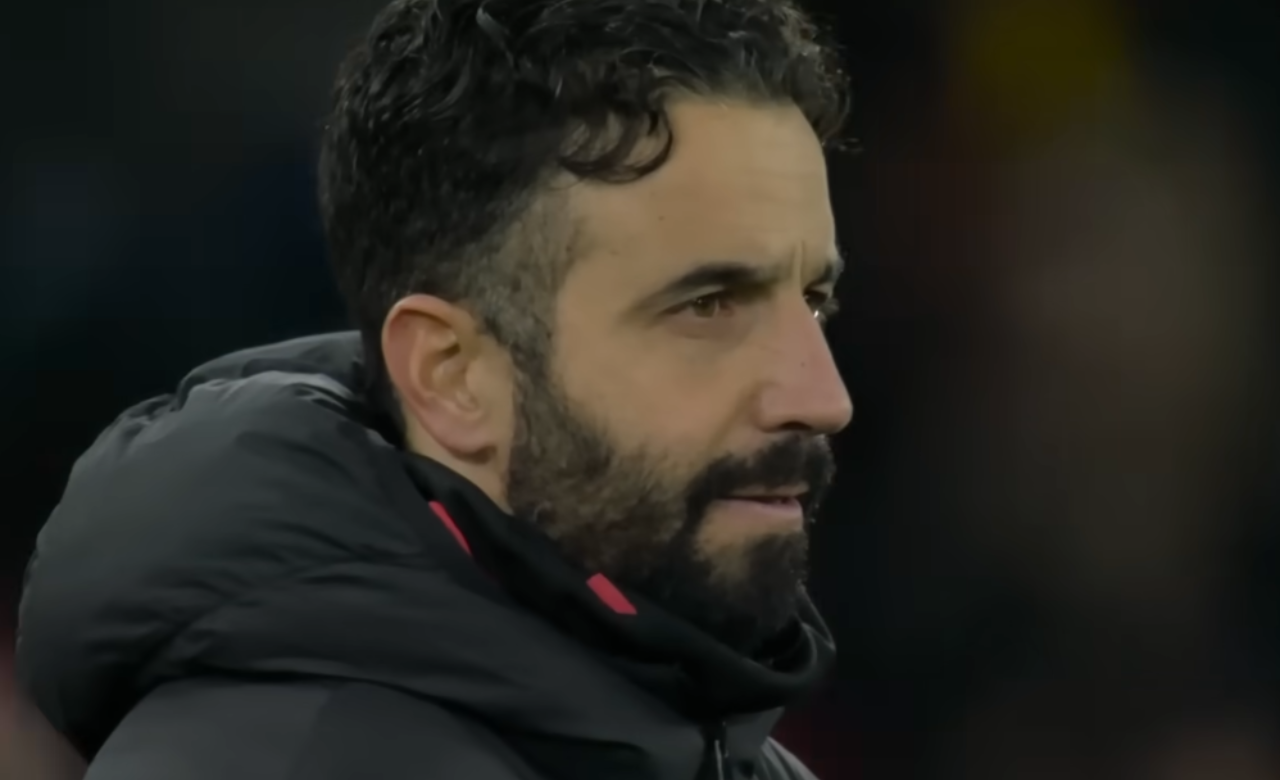
Ruben Amorim’s sacking has been a reminder of the instability that Manchester United continues to experience and is another untimely conclusion of a managerial project that was never given a chance to breathe. Elite individuals at Old Trafford had a meeting of minds on 1 January, and they had indicated that the Portuguese manager felt that his job was no longer tenable.
The last press conference of Amorim, which was staged during the Leeds United game, was marked by a rising internal conflict and a team that was hard to fit in. The 1-1 with Wolves is now considered a turning point within the club, and something of a process that had been gaining momentum over the weeks.
Ruben Amorim had not kept any secret that he was frustrated with the recruitment and the absence of immediate support in the transfer market. He thought that there should have been serious January acquisitions, especially with the role of Antoine Semenyo being projected and a more comprehensive midfield restructuring to ensure the team had qualified for the Champions League.
The leadership of the club, however, stuck to a long-term strategy and avoids short time solutions under pressure of immediate responses. Such disparity in vision ended up becoming the hallmark of the short-lived Amorim as head coach, an office which he repeatedly claimed needed to have more essential powers in making football decisions.
It has shown that making just 14 months under Ruben Amorim, the sacking has become synonymous with a bigger picture of structural problems that have afflicted United since 2013. He stuck to a 3-4-3 system, which did not fit the current squad, and a poor 15th-place performance in his first full season was a result of this style.
The discussion now centers on the way United can come out of this vicious cycle of change and underperformance. The point that stability above the manager must drive progress with a well-defined football identity that flows throughout the academy to the first team is emphasized by club insiders.
That reset is supposed to focus on the new structure of CEO Omar Berrada and director of football Jason Wilcox. Sir Jim Ratcliffe and INEOS have indicated a desire to recruit using data, which is in line with its consistent playing philosophy.
The youth development is the least common field to be sustained, and the players through academies constitute the long-term vision of the club. The internal appearance of Kobbie Mainoo and Alejandro Garnacho is seen as the testament of what a consistent channel has to offer.
Darren Fletcher has been put in an interim role in the short run as the process of finding a permanent successor goes on. The next step is to ensure that the next appointment will not be similar to the case mentioned so clearly during the Ruben Amorim sacking.